7 Million Romance Scam: The Elder Fraud Case
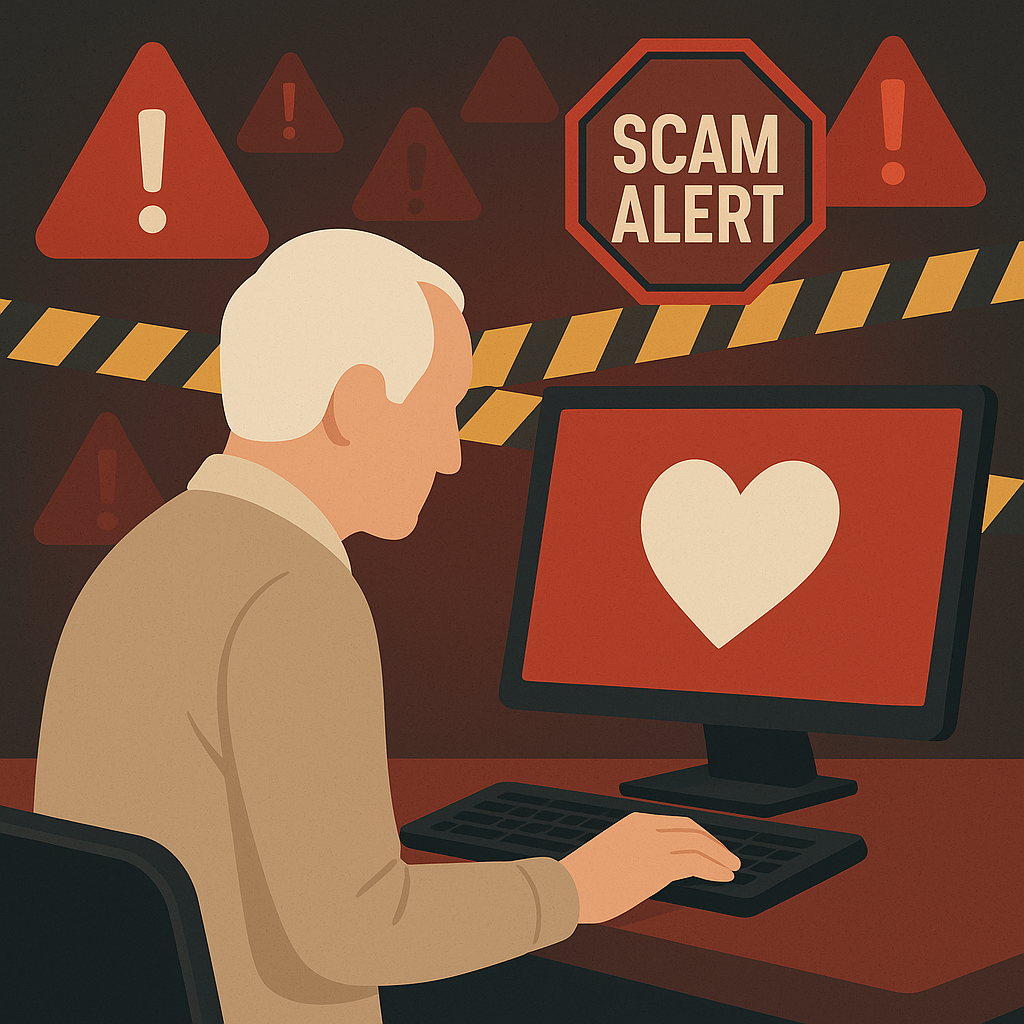
The 7 million romance scam highlights how online relationship deception can lead to devastating financial losses, particularly for elderly individuals. Through emotional manipulation, false identities, and calculated trust-building, romance scammers exploit vulnerable people. Understanding how these schemes operate can help readers recognize warning signs and protect themselves from financial exploitation. How the $7 Million Romance Scam Worked Federal prosecutors have charged two women with orchestrating a complex scheme that preyed on elderly men across the country. Using fake identities and fabricated stories, the women reportedly developed online relationships with their victims, leading to 7 million romance scam by manipulating victims and gaining their financial trust. Once they had gained the trust of their victims, the women spun tales of financial distress, medical emergencies, or business troubles to solicit large sums of money. Over time, these requests escalated, leaving many victims financially drained and emotionally shattered. According to authorities, the women targeted men who were often isolated or grieving, making them more susceptible to emotional manipulation. By the time the scam was uncovered, the pair had allegedly stolen over $7 million from their victims, leaving a trail of devastation. Financial Impact of the 7 Million Romance Scam The 7 million romance scam demonstrates how financial deception can create lasting emotional and economic consequences for victims and their families. Many victims were left grappling with feelings of shame, betrayal, and loneliness. For elderly individuals, who may have limited financial resources and support networks, the effects can be particularly severe. One victim, a retired widower, reportedly lost his entire life savings after being convinced to “invest” in a fictitious business venture. Another victim described feeling humiliated and broken after realizing the person he thought cared for him was manipulating him for money. The financial devastation is often compounded by the emotional harm, as victims struggle to rebuild their lives while coping with the betrayal of trust. Why Romance Scams Target Vulnerable People Romance scams are alarmingly effective because they exploit universal human emotions. Scammers use sophisticated psychological tactics to build trust and manipulate their victims. Common strategies include: Emotional Bonding: Scammers spend weeks or months cultivating relationships, making their victims feel valued and cared for. Fabricated Crises: Claims of financial emergencies, such as medical bills or legal troubles, create urgency and pressure victims to act quickly. Isolation: Perpetrators often discourage victims from sharing details of the relationship with others, limiting outside perspectives. Targeting Vulnerabilities: Scammers focus on individuals who are lonely, grieving, or socially isolated, knowing they are more likely to seek connection. The Growing Threat of Romance Scams This case is part of a broader trend of romance scams targeting older adults. According to the Federal Trade Commission (FTC), romance scams cost Americans $1.3 billion in 2022, making them one of the most lucrative forms of fraud. Technology has played a significant role in the rise of these schemes. Social media platforms and dating apps provide scammers with easy access to potential victims, while anonymity and digital communication make it difficult to verify identities. Warning Signs of a Romance Scam Understanding the red flags of romance scams can help protect yourself and loved ones: Rapid Escalation: The scammer expresses strong feelings of love or commitment early in the relationship. Requests for Money: Any financial request, particularly for emergencies or investments, should be treated with suspicion. Avoidance of In-Person Meetings: Scammers often make excuses to avoid video calls or in-person interactions. Inconsistent Stories: Details about their life, work, or location may not add up. Pressure to Keep the Relationship Private: Scammers may discourage victims from discussing the relationship with others. How to Protect Yourself From Romance Scams Preventing romance scams requires vigilance and proactive measures: Verify Identities: Use reverse image searches and other tools to confirm the authenticity of photos and profiles. Be Skeptical: Question any financial requests, no matter how convincing the story may be. Talk to Others: Share details of your online relationships with trusted friends or family members for a fresh perspective. Report Suspicious Activity: If you suspect a scam, report it to the platform where you met the person and to federal authorities. Supporting Victims For those who have fallen victim to romance scams, recovery can be a long and difficult process. Emotional support is crucial—friends, family, and professional counselors can help victims navigate feelings of shame and betrayal. Victims should also seek financial advice to assess their situation and explore potential avenues for recovering lost funds. Legal action may be an option in some cases, particularly if the perpetrators can be identified. A Call to Awareness The $7 million romance scam is a chilling reminder of the dangers that lurk in the digital age. As scammers become more sophisticated, it is essential to stay informed and vigilant. By recognizing the warning signs, fostering open communication, and supporting those affected, we can work together to combat these heartless schemes. Romance scams are not just financial crimes—they are deeply personal violations that exploit trust and vulnerability. Awareness and education are the first steps toward protecting ourselves and our loved ones from falling victim. Together, we can create a safer, more connected world where relationships are built on genuine care, not deceit. Add Your Heading Text Here
